Alright, let's talk brick. I get a lot of questions from homeowners around Boston — folks who are looking at a new patio, a retaining wall, or maybe some repairs on their historic Beacon Hill townhouse. They want the real deal, not just some sales pitch. So, I figured I'd put together some of the most common questions I hear and give you my honest answers. No fluff, just what you need to know.
How long does brickwork actually last in Boston's weather?
This is a big one, especially with our wild New England weather, isn't it? Good brickwork, done right with quality materials and proper mortar, should easily last 75 to 100 years, sometimes even more. I've seen brick buildings in the North End that are centuries old and still standing strong, though they've certainly had their share of repointing over the years. The key is proper installation: good drainage, a solid foundation, and the right mortar mix for our freeze-thaw cycles. If any of those are off, you'll see issues much sooner. But if it's done well, it's a lifetime investment, often outlasting other building materials.
What's the deal with mortar joints? Do they all need to be the same?
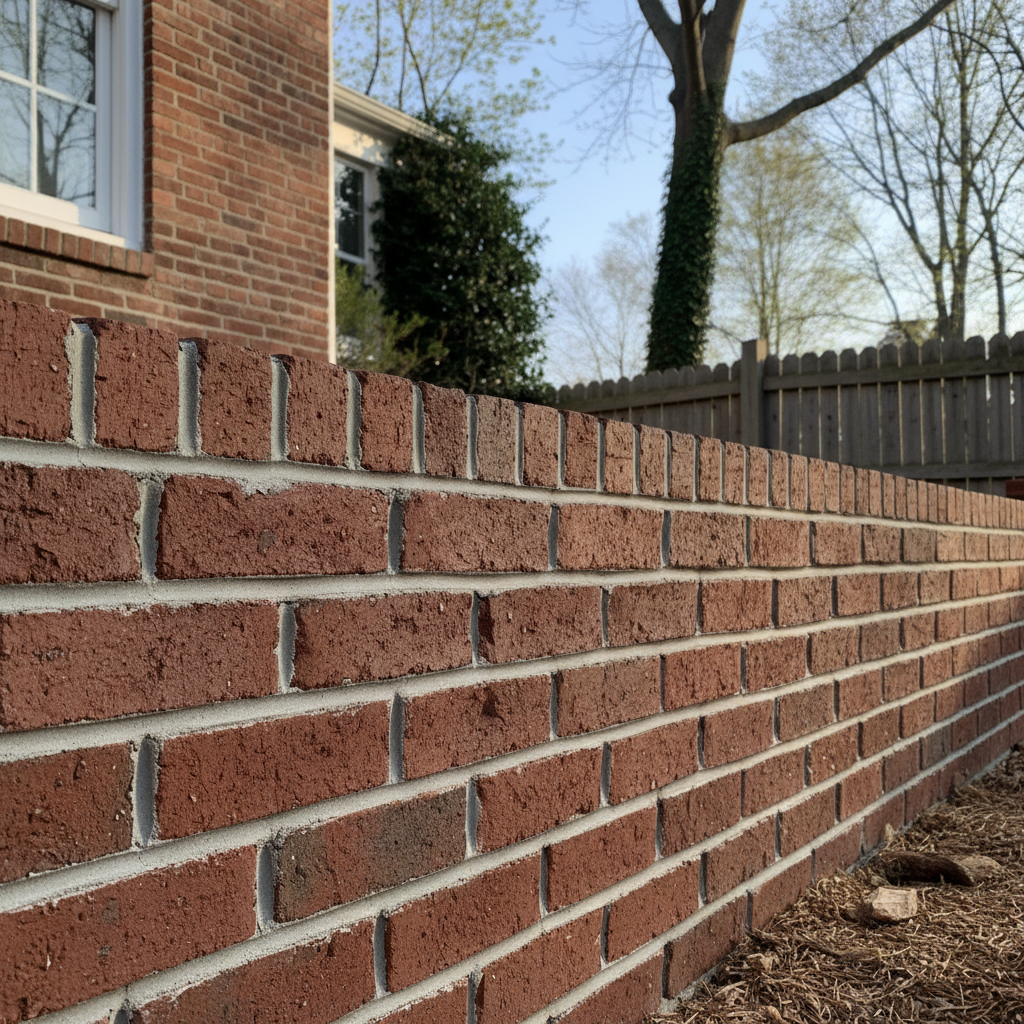
Not at all, and this is where a lot of people get confused. Mortar joints aren't just about holding bricks together; they're a critical part of the wall's look and its ability to shed water. There are different types – concave, V-joint, raked, struck, flush, weathered, and so on. Each has its own appearance and, more importantly, its own performance characteristics. For instance, a concave or V-joint is great for shedding water, which is crucial here in Boston where we get plenty of rain and snow. A raked joint, while sometimes visually appealing, can create ledges where water can sit, leading to faster deterioration. When we're doing repairs, especially on older homes, matching the existing joint profile is super important for both appearance and structural integrity. You don't want a patchwork look, after all.
Can you really match old brick? My house was built in the 1800s.
Matching old brick, especially for historic homes, is one of the trickier parts of the job, but it's absolutely possible. It's not just about color; it's about size, texture, and even the way the brick was fired. Bricks from different eras and different manufacturers can vary a lot. What we usually do is source reclaimed bricks from demolition sites, or we work with suppliers who specialize in antique or custom-made bricks designed to mimic older styles. Sometimes it takes a bit of hunting, but a good mason will put in the effort. For Apex Masonry Solutions, getting that match right is a point of pride, because you want the repair to blend in, not stick out like a sore thumb.
What causes bricks to crumble or spall, and can it be stopped?
Spalling, that's when the face of the brick starts to flake off, usually happens because moisture gets into the brick and then freezes. When water turns to ice, it expands, pushing off the surface of the brick. This occurs more often with softer, older bricks or if the brick is constantly saturated. It can also get worse if someone uses the wrong type of mortar for repairs – if the new mortar is harder than the old brick, it can trap moisture and force the brick to take the brunt of the expansion. To stop it, you need to find and fix the source of the moisture (e.g., leaky gutters, poor drainage, or even a crack higher up the wall) and then carefully repair or replace the spalled bricks with appropriate materials. Sometimes, a breathable sealant can help, but you have to be careful not to trap moisture in.
Is it okay to power wash brick?
Short answer: generally no, or at least not without extreme caution and the right technique. Power washing can do more harm than good to brick and mortar, especially on older or softer masonry. The high pressure can erode mortar joints, damage the brick face, and even force water deep into the wall, leading to more problems down the line. If you need to clean brick, start with the gentlest method possible: a soft brush, water, and maybe a mild detergent. If you absolutely must use a power washer, keep the pressure low, use a wide fan tip, and hold it far away from the surface. Better yet, hire a professional who understands masonry cleaning. It's not worth risking damage to save a few bucks on a rental, believe me.
How do I know if I need a full repointing job or just a few spot repairs?
This comes down to the overall condition of your mortar joints. Take a good look at your brickwork. Are the joints crumbly, sandy, or recessed in many areas? Can you easily pick out mortar with a screwdriver or even your finger? If it's widespread, especially across an entire wall or chimney, you're likely looking at a full repointing job. This involves removing all the deteriorated mortar and replacing it. If it's just a few isolated spots, say, around a window or where a downspout has been leaking, then spot repairs might be sufficient. A good mason will inspect the whole wall and give you an honest assessment. Don't let someone talk you into a full repoint if you only need a few patches, but also don't ignore widespread deterioration, because that'll just lead to bigger problems later.
What's the difference between brick veneer and solid brick construction?
This is a fundamental difference in how your house is built. Solid brick construction, common in older homes, means the brick walls are structural. They bear the load of the house. You'll typically see multiple layers (or "wythes") of brick, often with headers (bricks laid end-first) tying them together. Brick veneer, on the other hand, is non-structural. It's a single layer of brick, usually about 4 inches thick, attached to a separate structural wall (like wood framing) with ties. There's often an air gap between the veneer and the structural wall. You can usually tell by looking at window and door openings – solid brick will have thick walls, while veneer will show the brick ending at the opening, with the frame set into the structural wall behind it. Repair techniques differ significantly between the two, so knowing what you have is crucial.