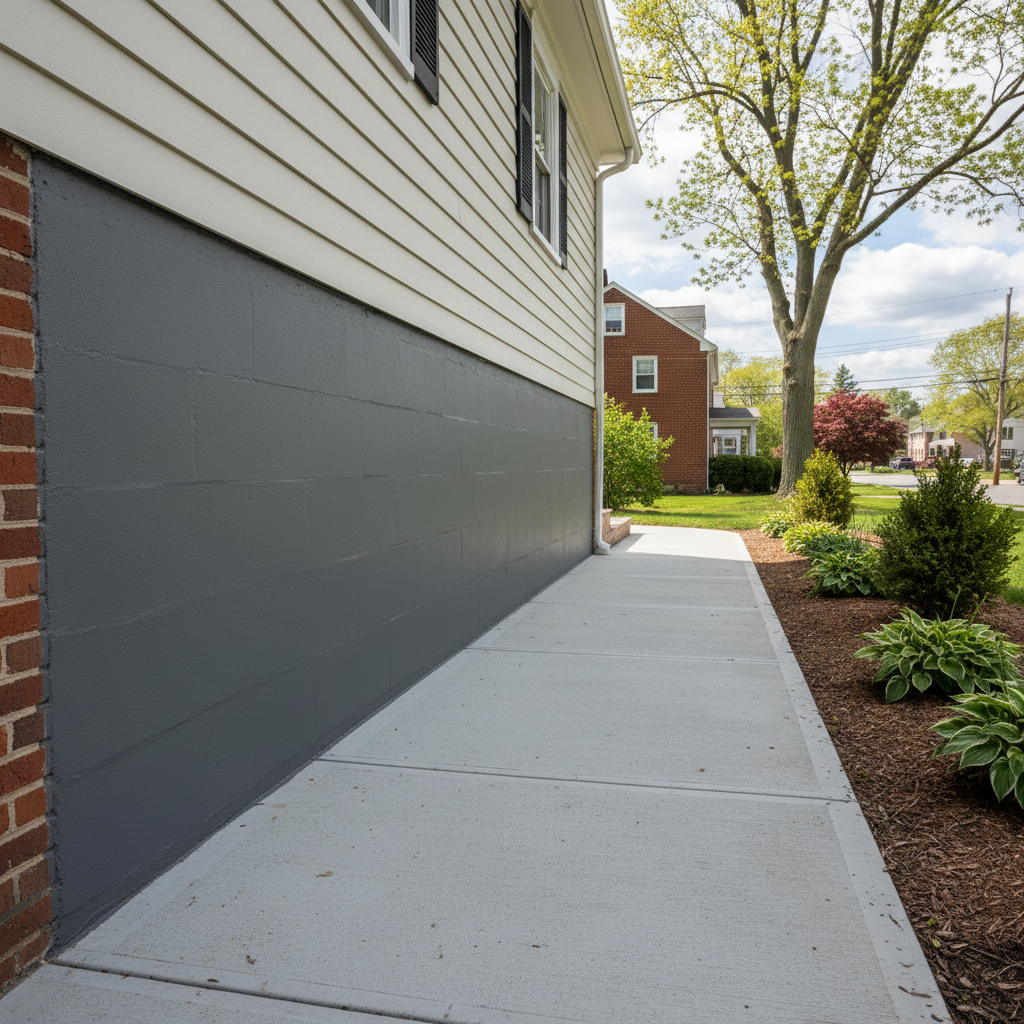
So, you've had your masonry waterproofed. Smart move. Especially here in Boston, with our wild freeze-thaw cycles and those nor'easters that just dump rain for days, keeping water out of your brick and stone isn't just about looks. It's about protecting your whole building, top to bottom. But waterproofing isn't a one-and-done deal, is it? It's an investment, and like any good investment, it needs a little looking after to really pay off long-term.
Make Your Waterproofing Last Longer
The biggest thing you can do to extend the life of your waterproofing is simple: keep water away from your foundation in the first place. Sounds obvious, right? You'd be surprised how many people miss the basics. Your gutters are your first line of defense. Make sure they're clean and flowing freely, especially after a big storm or when the leaves start piling up. If they're clogged, water just spills over the side of your house, soaking the masonry and putting extra strain on your waterproofing. Don't forget your downspouts either; they should direct water at least six feet away from the foundation. If they're just dumping it right at the base, you're practically inviting trouble.
The grading around your house is another super important point. The ground should always slope away from your foundation. If it slopes towards it, even a little bit, every rainstorm basically creates a small pond exactly where you don't want one. This is a common problem in older Boston neighborhoods where properties are tight and the ground settles over time. If you see standing water near your foundation after a rain, that's a big red flag you need to deal with.
Also, think about your landscaping. While pretty, shrubs and trees planted too close to the house can trap moisture against the masonry, keeping it from drying out properly. Give your walls some room to breathe.
What Regular Maintenance Looks Like
For most homeowners, regular maintenance mostly means watching things and keeping them clean. I tell my clients to do a quick walk-around their property a couple of times a year — once in the spring after the snow melts and again in the fall before winter really sets in.
- Look for cracks: Small hairline cracks can pop up in mortar joints or even in the waterproofing coating itself over time. Catching these early means a simple patch job, not a huge repair.
- Check for efflorescence: That white, powdery stuff on your brick? That's efflorescence, and it's a sign that water is moving through your masonry, bringing salts to the surface. It usually means your waterproofing might be compromised, or there's a new water source.
- Watch your drainage: Like I said, keep an eye on those gutters and downspouts. Make sure they're clear. If you have a French drain or another subsurface drainage system, check that its outlets aren't blocked.
- Clean gently: If you need to clean your masonry, use a soft brush and plain water. Stay away from harsh chemicals or high-pressure washing; they can damage the waterproofing or even the masonry itself.
For some waterproofing systems, like certain clear sealants, you might need to reapply them every few years. Your original contractor should have given you a timeline. If you're not sure, check your records or just give us a call at Apex Masonry Solutions, and we can help you figure it out.
Warning Signs of Problems
You really have to be vigilant, especially with our tough New England climate. Here are some clear signs that your masonry waterproofing might be failing, or that you have a new water intrusion issue:
- Damp spots or water stains on interior walls: This is probably the most obvious sign. If you see discoloration, peeling paint, or feel dampness on interior walls, especially in your basement or near ground level, water is definitely getting in.
- Musty odors: A lingering musty or earthy smell in your basement or crawl space points to mold or mildew growth, which loves damp conditions.
- Spalling or crumbling masonry: If your brick or stone is flaking, peeling, or crumbling, that's spalling. It happens when water gets into the masonry, freezes, expands, and pushes off the surface. This is a serious sign of water damage and often means your waterproofing has failed completely.
- Visible cracks in foundation or mortar joints: While some small cracks are normal, new or expanding cracks are a clear pathway for water.
- Ponding water near the foundation: We talked about this, but it's worth repeating. If water isn't draining away, it's going to find a way in. Period.
When to Call a Professional
Look, you can handle a lot of this maintenance yourself, and I actually encourage it. But there are times when you really need an expert eye. If you see any of the warning signs I just mentioned, don't wait. Water damage only gets worse — and more expensive to fix — the longer you ignore it.
You should also call a pro if:
- You're not sure what kind of waterproofing you have or what its maintenance requirements are.
- You've got persistent efflorescence or spalling that keeps coming back.
- You're seeing significant cracking in your masonry or foundation.
- You've got water in your basement, even after you've checked your gutters and grading.
- It's been several years since your waterproofing was installed, and you want a professional inspection to check its condition and see if reapplication or repairs are needed.
Here in Boston, we're used to dealing with old buildings and their unique challenges. A good masonry contractor understands how water moves through these structures and can spot problems that might not be obvious to the untrained eye. Don't let a small issue turn into a major headache. Your home's foundation is literally its most important asset; keep it dry.