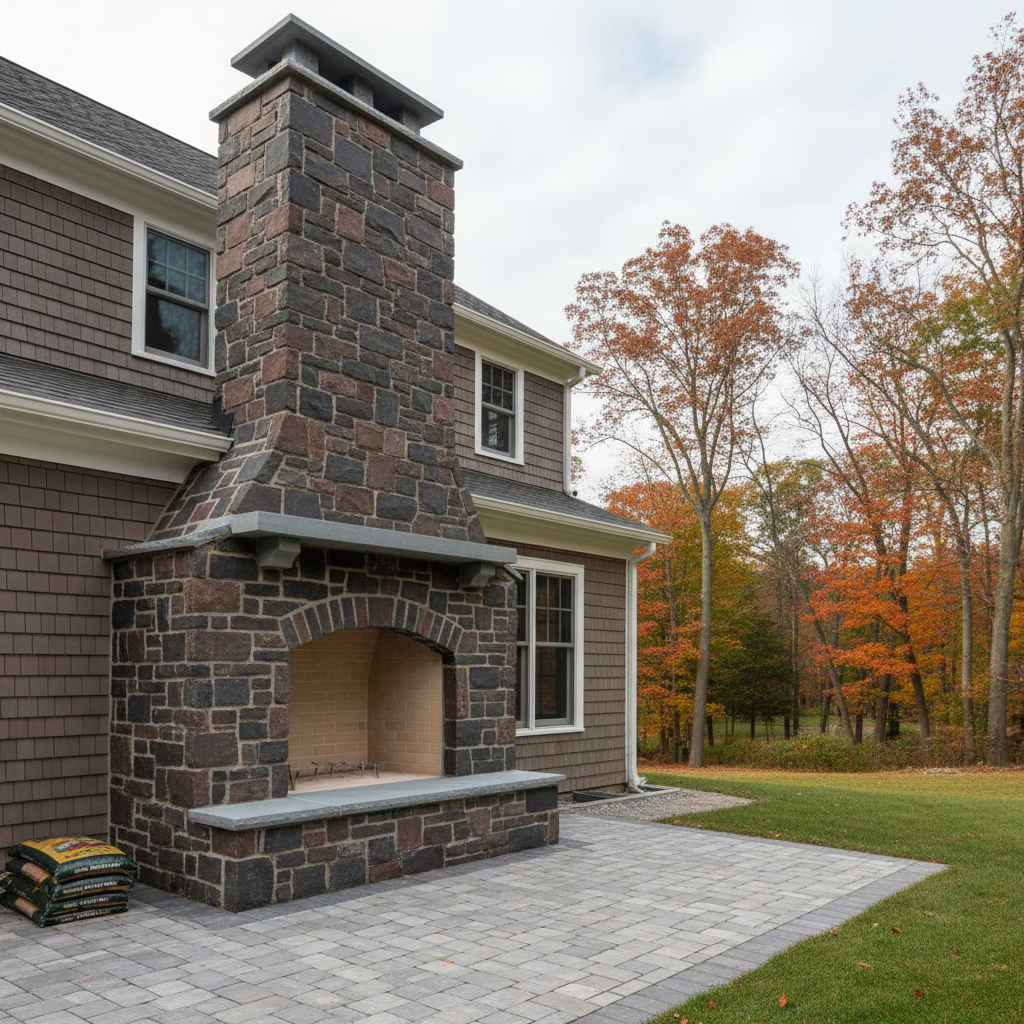
So, you're thinking about adding a fireplace to your Boston home, huh? Or maybe you're replacing an old, inefficient one. That's a big project, and it's exciting. But before you start picturing cozy nights by the fire, let's talk about what really goes into it. This isn't just about picking out some bricks; it's a significant construction job that needs careful planning. I've seen a lot of these projects over the years, and I want to give you the straight scoop on what to expect.
Your Fireplace Project Timeline: What to Expect
Let's be real, building a fireplace isn't a weekend DIY job. From the first call to the final inspection, you're looking at a commitment. Here's a rough breakdown:
- Initial Consultation & Design (2-4 weeks): This is where you talk to a contractor like us at Apex Masonry Solutions. We'll discuss your vision, look at your space, and figure out what's feasible. Are we talking a traditional wood-burning, a gas insert, or something else? We'll also need to consider your home's structure, venting, and local codes. Often, an architect or designer gets involved here, especially for new builds or complex renovations.
- Permitting (4-8 weeks, or more): This is often the longest part, especially in Boston. You'll need permits for everything from structural changes to gas lines or chimney work. The City of Boston's Inspectional Services Department (ISD) doesn't rush, you know? Your contractor should handle this, but be prepared for delays.
- Material Procurement (2-6 weeks): Once permits are in hand, we order materials. Specialty bricks, stone, or a specific fireplace insert can take time to arrive. Don't underestimate this; supply chain issues are still a thing.
- Construction (3-8 weeks): This is the active build phase. We're talking demolition if it's a renovation, framing, masonry work, chimney construction or liner installation, gas line hookups, electrical, finishing work, and hearth installation. It's dusty, it's noisy, and your home will be a construction zone.
- Inspections & Final Touches (1-2 weeks): Multiple inspections will happen during and after construction. Once everything passes, we'll do our final cleanup and walk-through.
So, from start to finish, you're often looking at 3 to 6 months. Don't let anyone tell you it'll be faster unless it's a very simple, pre-fab insert installation.
Preparing Your Home for the Build
Once the project gets the green light, you'll need to get your house ready. This isn't just about clearing a path; it's about protecting your belongings and making the work easier for everyone.
- Clear the Area: Move furniture, rugs, and anything valuable out of the immediate work zone. Dust will get everywhere, I promise you.
- Protect Your Stuff: Cover anything that can't be moved with plastic sheeting. Think about sealing off the work area with temporary plastic walls to contain dust as much as possible. We do our best, but masonry work is inherently messy.
- Access: Make sure there's clear access for our crew and materials. This means driveways, walkways, and the path to the fireplace location. If we're working on an exterior chimney, we'll need space for scaffolding.
- Utilities: We might need access to your electrical panel, water, or gas shut-off. Know where these are.
- Pets & Kids: Keep them away from the construction zone. It's for their safety and our efficiency.
A little preparation on your end goes a long way in keeping the project on schedule and minimizing stress.
Crucial Questions Before You Sign the Contract
This is where you protect yourself and ensure you're getting a quality job. Don't be shy; ask these questions directly.
- What's included in the price, specifically? Get a detailed breakdown. Does it include permits? Demolition? Cleanup? The actual fireplace unit? The mantel? The hearth? Every little thing should be itemized.
- What's the payment schedule? A reputable contractor won't ask for 50% or more upfront. Typically, it's a deposit, then progress payments tied to specific milestones, and a final payment upon completion and your satisfaction.
- Who pulls the permits? The contractor should always do this. If they ask you to pull them, that's a red flag.
- What kind of warranty do you offer on your work? Get it in writing.
- How will you protect my home during construction? Ask about dust control, floor protection, and daily cleanup.
- What's your estimated timeline, and what factors could cause delays? They should be upfront about potential snags, especially with permitting in a city like Boston, where historical districts or tight property lines can complicate things.
- Can I see proof of your licensing and insurance? You need to see their Home Improvement Contractor (HIC) license number for Massachusetts, and proof of liability and workers' compensation insurance. Don't just take their word for it.
- Can you provide references from recent fireplace projects? Call them. Ask about communication, cleanliness, adherence to budget, and overall satisfaction.
Building a fireplace is a fantastic addition to any Boston home, especially when those nor'easters roll in. But it's a complex undertaking. Do your homework, ask the tough questions, and make sure you're working with a contractor who knows their stuff and communicates clearly. That's how you get a fireplace you'll love for years, without the headaches.