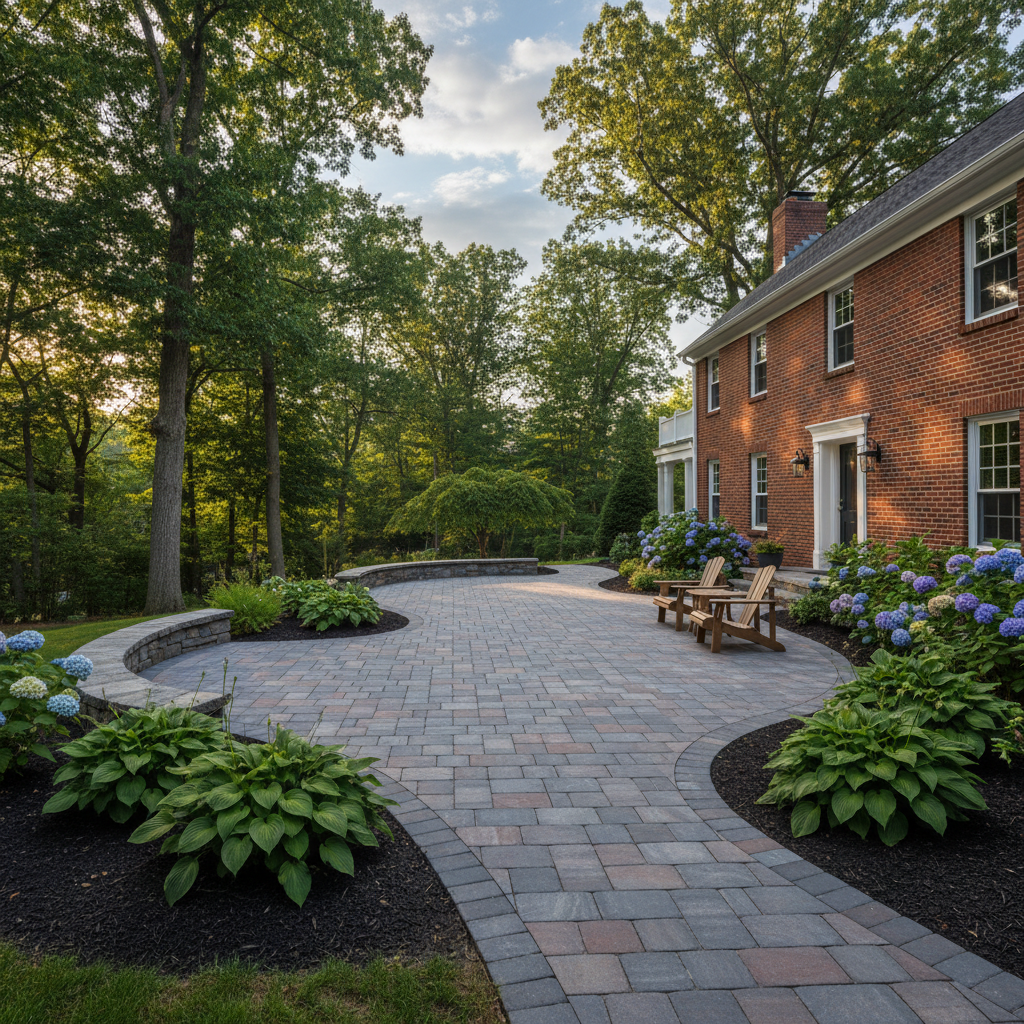
So, you're picturing a brand-new paver patio, maybe a sharp-looking walkway, or even a paver driveway for your Boston place. Sounds like a fantastic idea! Pavers really can change how a space feels, boost its curb appeal, and even bump up your home's value. But hold on a second before you dive in. Let's chat about some of the biggest slip-ups I see homeowners make when they're planning these kinds of projects around here, or when they're hiring someone to do the work. Believe me, sidestepping these common pitfalls can save you a ton of grief — and cash — down the road.
Mistake #1: Skimping on the Foundation (No, Really)
This is probably the absolute top issue I run into, especially with our wild New England weather. People get all focused on the pretty pavers, but they don't give enough thought to what's underneath them. A paver installation is only as strong as its base, period. Here in Boston, we're constantly dealing with freeze-thaw cycles, and those can absolutely wreck poorly laid foundations. If your contractor just tosses down a thin layer of sand and calls it good, you're going to have problems. We're talking uneven pavers, sinking spots, and trip hazards popping up within a few years, maybe even sooner than that.
A proper base means digging deep enough – usually 8 to 12 inches for patios and walkways, and even more if it's a driveway. Then you need compacted layers of crushed stone, often with a geotextile fabric to keep it from mixing with the dirt below, followed by a bedding layer of sand. If your quote doesn't spell this out, or if the contractor talks about doing it 'quick and easy,' that's a huge red flag. You're building something that needs to stand up to years of people walking on it, furniture sitting on it, and our crazy winters. Don't let anyone cut corners here, okay?
Mistake #2: Not Understanding Drainage (It's Super Important)
Boston isn't exactly famous for its flat, dry ground, is it? We get plenty of rain and snowmelt. If your paver project isn't designed with good drainage in mind, you're just asking for trouble. Water pooling on your patio or right up against your foundation isn't just annoying; it can actually cause structural damage to your house, wash away the paver base, and lead to moss or algae taking over. I've seen projects where water just sits there after a big rain, sometimes even flowing straight into basements because no one bothered to think about the grade.
A good contractor will check out your property's existing drainage, figure out the natural slope, and then design the paver surface to send water away from your house and into the right spots. This might mean a slight tilt to the pavers, putting in channel drains, or even connecting to drainage systems you already have. If your contractor doesn't even bring up drainage when you first talk, you really need to ask them about it. It's not something you add on later; it's a basic, fundamental part of the job.
Mistake #3: Going for the Lowest Bid Without Asking Why
Everybody wants a good deal, I totally get that. But when it comes to something as lasting as a paver installation, the cheapest bid often ends up costing you the most in the long run. I've seen it happen countless times. A homeowner gets three quotes, picks the cheapest one, and then calls us a year or two later because the pavers are moving around, cracking, or the whole thing looks like a roller coaster ride.
Why is one bid so much lower? Usually, it's because they're cutting corners on materials (think cheap pavers, less base material), labor (less experienced crew, rushing the job), or they're skipping crucial steps like proper compaction, edge restraints, or sealing. Sometimes they're not even properly insured or licensed, which puts you at huge risk, by the way. Don't just compare prices; compare what those prices actually include. Ask for detailed breakdowns. Ask about warranties. Ask for references and actually call them up. A solid company like Apex Masonry Solutions might not be the absolute cheapest, but we stand by our work because we do it right the first time.
Mistake #4: Ignoring Edge Restraints
This one's a bit more technical, but it's incredibly important. Edge restraints are what keep your pavers from spreading out around the edges. Without them, or with flimsy ones, your pavers are going to shift over time, especially with our ground freezing and thawing. Think of it like a puzzle: if you don't have the frame holding all the pieces in, they'll just fall apart, won't they?
I've seen cheap plastic edge restraints that buckle and break, letting the pavers wander. You need strong, durable edge restraints, usually made from heavy-duty plastic or aluminum, securely anchored into the base. Make sure your contractor tells you what kind of edge restraint they'll be using and exactly how they'll put it in. It's a small detail that makes a huge difference in how long your paver project lasts and how stable it stays.
Mistake #5: Not Considering Maintenance
Pavers are tough, but they're not maintenance-free. Some homeowners think once they're down, that's the end of it. Not quite. You'll need to sweep them, maybe power wash them every now and then, and re-sand the joints every few years to keep them looking good and stop weeds from popping up. Some pavers really benefit from sealing, especially if you want to protect them from stains or make their color pop.
A good contractor will talk to you about what kind of upkeep the specific pavers you choose will need. They'll explain what you have to do to keep your investment looking fantastic. If they tell you it's 'zero maintenance,' they're not being completely honest with you. Understanding the work involved upfront helps you manage expectations and ensures your beautiful new patio or walkway stays beautiful for decades.
By steering clear of these common mistakes, you'll be well on your way to a paver project that you'll absolutely love for years, without any regrets. Do your homework, ask the right questions, and don't be afraid to invest in quality. It truly pays off in the end.