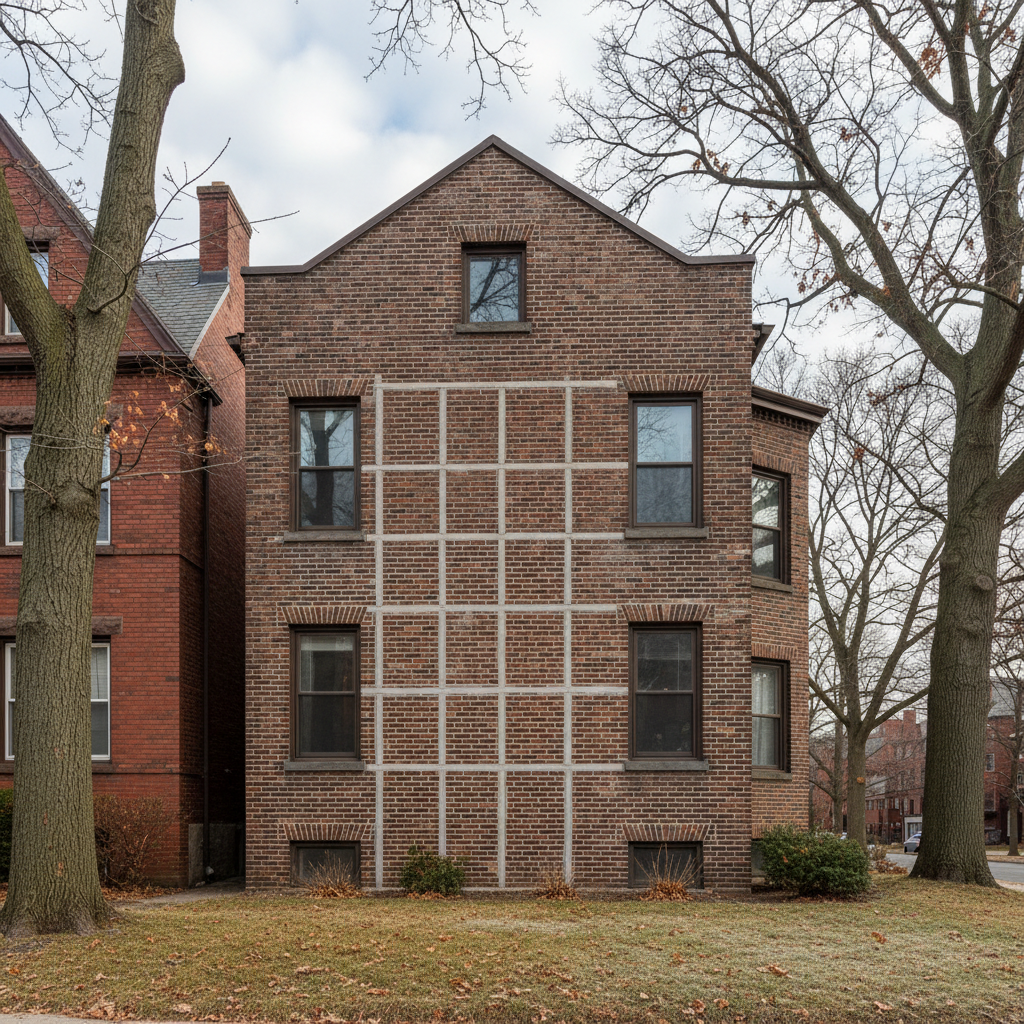
You know those old brick buildings all over Boston, maybe even your own place, where the mortar between the bricks just starts looking... rough? We're talking cracks, crumbling bits, sometimes even chunks missing. That's usually a big hint you need to start thinking about tuckpointing. It's not just about making things look nice, either; it's genuinely about keeping your home safe from water damage, especially with the kind of winters we get around here.
So, when's the ideal time to get this kind of work done? And what exactly should you be looking out for?
When to Schedule Tuckpointing
Honestly, the sweet spot for tuckpointing is usually spring or fall. You really want moderate temperatures — nothing too hot, nothing too cold. Think somewhere between 40 and 80 degrees Fahrenheit. Why? Because the mortar needs to cure properly. If it's too hot, it dries out way too fast, which can lead to weak spots or cracking. If it's too cold, it won't cure at all, or worse, it'll freeze before it sets, leaving you with a mess that definitely won't last.
Summer can sometimes work, especially during our milder Boston summers, but you have to be super careful about direct sun and high humidity. If it's absolutely scorching, we might even need to mist the brickwork to keep that new mortar from drying out too quickly. Winter? Forget about it. Unless it's just an emergency patch, you really don't want to be doing extensive tuckpointing when temperatures are consistently below freezing. The water in the mortar will freeze and expand, ruining the bond and the strength of the whole repair. What a headache!
Weather Conditions That Affect the Work
Beyond just the temperature, we're also keeping a close eye on a few other weather factors:
- Rain: This one's pretty obvious, but you simply can't tuckpoint in the rain. New mortar needs to stay dry for a good while after we put it on. Even a light drizzle can wash out the fresh material or dilute it, making the bond weak. We're always checking the forecast for clear, dry days.
- Wind: Strong winds can dry out mortar too fast, much like really high heat. They can also blow dust and debris onto fresh work, which is definitely not what we want. Sometimes, we'll put up screens or tarps to protect the work area from the elements.
- Humidity: High humidity can slow down the curing process. That's not always a bad thing, but it can mean the mortar takes longer to fully set. Low humidity, especially combined with wind or heat, can speed it up too much. It's all about finding that balance.
That's why scheduling is so incredibly important. We're not just looking at the day we do the work, but also the forecast for the next few days afterward to make sure the curing conditions are just right. Our crews at Apex Masonry Solutions are always watching the weather, because a good job really depends on it.
Protecting Your Investment Year-Round
Once you've had your tuckpointing done, you want it to last, right? Here’s how you can help protect that investment:
- Keep an Eye Out: Do a quick visual inspection of your brickwork every year, especially after winter. Look for new cracks, any crumbling, or efflorescence (those white powdery stains). Catching small issues early on prevents them from turning into big, expensive problems later.
- Address Water Issues: Make sure your gutters are clean and draining properly, sending water away from your foundation. Leaky gutters or downspouts that just dump water right next to your house are a huge reason mortar breaks down. Our local soil, particularly in older neighborhoods like the South End, can hold a lot of moisture, which is bad news for brick if it's constantly saturated.
- Avoid Harsh Cleaners: If you need to clean your brick, use gentle methods. Pressure washing can be too aggressive and actually damage mortar joints, especially older ones. A soft brush and some mild detergent are usually all you need.
- Sealants (Sometimes): For certain types of brick and mortar, particularly if you're in a very exposed spot, a breathable masonry sealant might be an option. This isn't always necessary, and it absolutely has to be the right kind of sealant — one that lets the brick 'breathe' so moisture doesn't get trapped inside. Talk to a professional before you apply anything, okay?
Tuckpointing is a really vital repair for any brick home here in Boston. Done correctly, and at the right time, it'll add decades to your masonry's life and keep your home protected from our famously unpredictable New England weather. Don't put it off until it's an emergency situation.