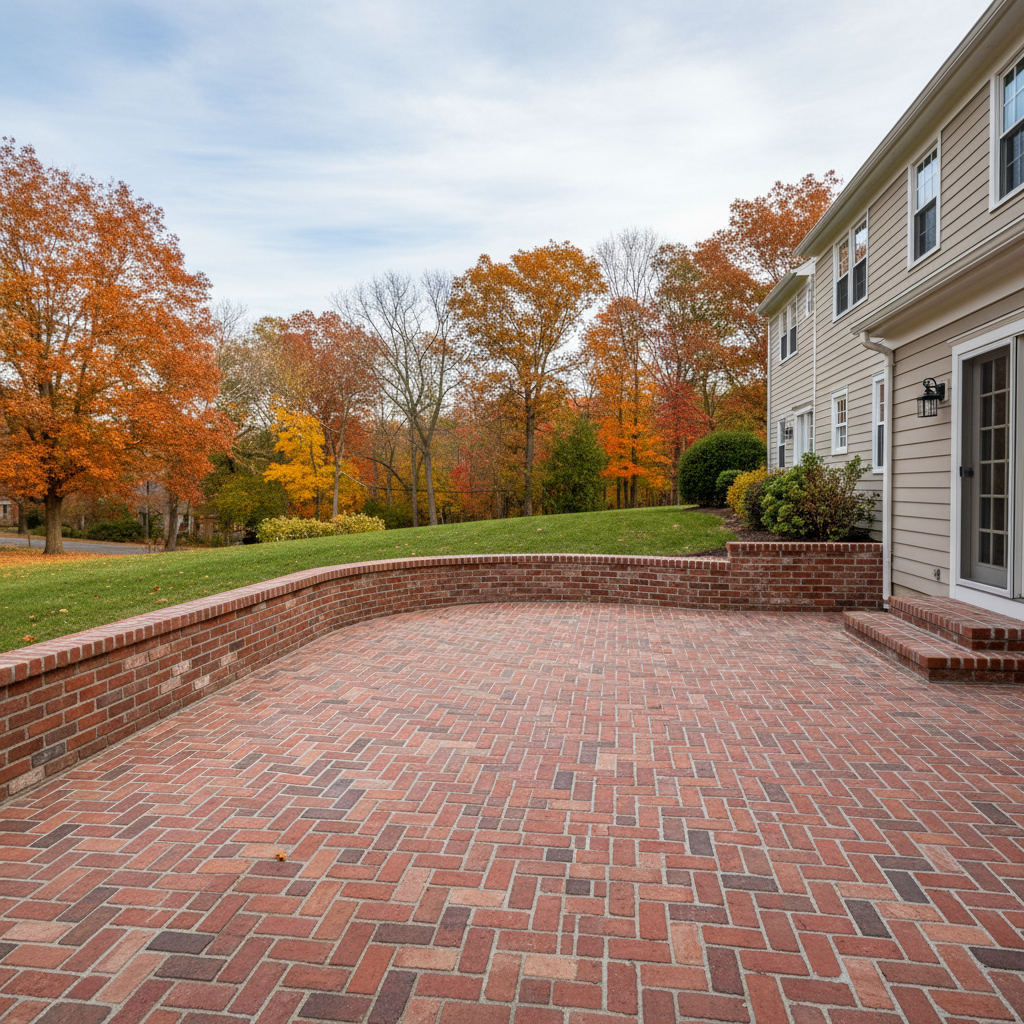
New England weather is very hard on Masonry work. If you own a triple-decker in Dorchester or a historic brownstone in the South End, you already know what our winters and springs do to Brickwork. Freeze-thaw cycles are very harsh around here, turning small hairline cracks into major structural damage before you even realize what happened.
Here is what you need to know about scheduling Bricklaying and keeping your Mortar joints from failing.
The Real Boston Masonry Window
You cannot just lay Bricks whenever you feel like it. Mortar needs specific conditions to cure properly. If it is freezing outside, the water in the mix turns to ice before the chemical bond can form, and your Brick wall will literally crumble the next spring. On the flip side, if it is ninety degrees and blazing sun in July, the water evaporates too fast and the Mortar dries out weak and powdery.
Apex Masonry Solutions looks for a stable window for Masonry work. Late spring through mid-autumn is prime time for Bricklaying in Boston. Sustained temperatures between forty and ninety degrees give the Mortar the stable environment it needs to set strong. That does not mean we stop working entirely outside that window, but it means using tents, heaters, and special admixtures if we are working late into the fall.
What Happens Below Ground in Boston
Our local soil composition does not help either. A lot of Boston sits on old fill or heavy clay, which holds onto moisture and expands when it freezes. That movement puts immense pressure on Masonry foundations and Masonry retaining walls. When the ground shifts, your Brickwork takes the brunt of the stress.
If you are planning a Brick project, do not wait until August to call. Schedules fill up fast because our outdoor working season is shorter than it is down south. Apex Masonry Solutions gets calls every November from homeowners panicking about crumbling steps right as the first snow is threatening to drop.
Year-Round Protection Strategies
Protecting your Masonry investment comes down to keeping water out. Water is enemy number one for Brickwork. Once it gets inside a Brick or a Mortar joint, the damage is already ticking.
- Clear leaves and snow away from the base of your Brick walls so moisture does not pool against the Brickwork.
- Check your gutters regularly. Overflowing water splashing down a Brick facade will erode Mortar joints in just a few seasons.
- Look for white, powdery stains called efflorescence, that white powdery substance being pushed out by trapped moisture, and it is a warning sign of Brick damage.
- Consider professional sealing, but make sure the Brick is actually breathable. Slap the wrong sealer on old Boston Brick, and you trap moisture inside where it can freeze and pop the face right off the Brick.
Keeping an eye on things seasonally saves you thousands of dollars in major Masonry repairs down the road. Catch a failing Mortar joint early, and it is a simple fix. Ignore it through a couple of Boston winters, and you might be looking at rebuilding the whole corner. For homes and businesses in Boston, Apex Masonry Solutions provides Brick Masonry services to look at your Brickwork before the next weather shift hits us.