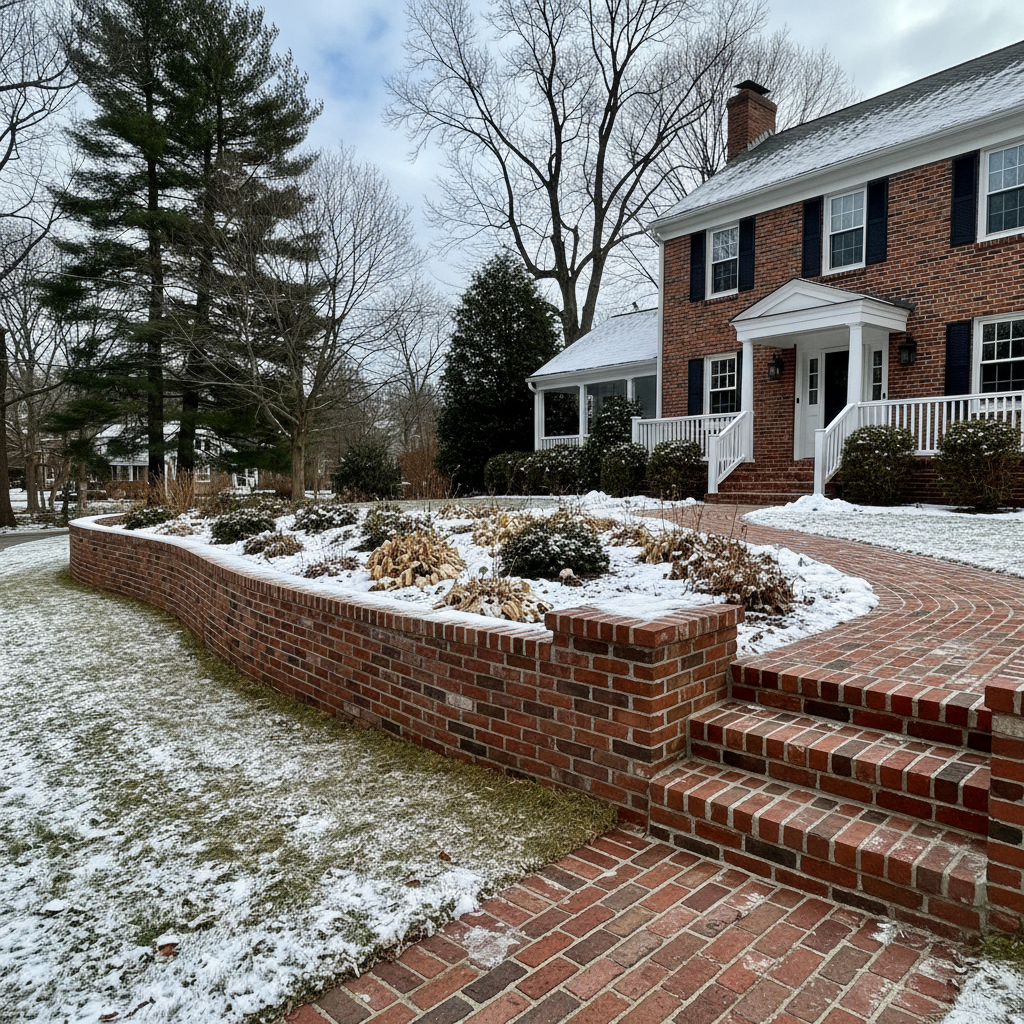
Living in Boston, you know our weather is not for the faint of heart. Those historic brick facades as well as brownstones give our city so much character. They take a beating year after year. From the brutal freeze-thaw cycles that crack mortar to the humid summers that push moisture deep into your walls, your home's masonry is constantly under attack. That is why understanding how our local climate impacts your brick and stone is important for any homeowner in Boston. Apex Masonry Solutions understands these challenges very well.
When to Schedule Your Masonry Work
Timing is everything when it comes to masonry work in Boston. You cannot just put mortar on bricks any day and expect it to last. The mortar needs to cure properly. That means specific temperature and humidity conditions are needed. Generally, spring and fall are your best times for most masonry repairs as well as new masonry installations.
- Spring (April to June): Once the threat of hard freezes is gone, spring offers moderate temperatures. These temperatures are ideal for mortar to set and strengthen. It is a great time to get ahead of any winter damage before the summer heat kicks in for your Boston masonry.
- Fall (September to November): Similar to spring, fall brings those good temperatures for masonry work. It is perfect for sealing up any cracks or compromised mortar joints before winter's icy grip returns. Fixing things in the fall helps prevent water from getting into your walls as well as freezing. This can cause bigger problems for your Boston home.
The ideal temperature range for working with mortar is typically between 40°F (4°C) and 90°F (32°C). Below 40°F, the curing process slows down a lot. This leads to weaker bonds. Above 90°F, mortar can dry too fast. This causes cracks as well as reduces its strength. Apex Masonry Solutions always considers these temperature ranges for your Boston masonry project.
Weather Conditions That Affect Bricklaying
It is not just about temperature for masonry in Boston. Other weather factors play a big role in how well your masonry holds up.
Cold Weather Challenges
Boston winters are not a joke. They are particularly harsh on masonry. The biggest enemy is water freezing in mortar. When water gets into tiny cracks and then freezes, it expands. This puts a lot of pressure on your brick and mortar. This leads to cracking, spalling (flaking or crumbling), as well as a weakened structure for your Boston masonry.
- Freezing Mortar: If unset mortar freezes, the water in it expands. It breaks the developing bonds. This makes the mortar weak as well as chalky when it thaws. You can lose up to 50% of the mortar's permanent strength if it freezes before reaching adequate strength.
- Cold Bricks: Laying mortar on frozen or frost-covered bricks is a recipe for disaster. It prevents a proper bond. It also pulls heat from the fresh mortar too quickly. Bricks themselves should not be laid if they are below 20°F or have frozen moisture on them.
- Working in Winter: Some masonry work can be done in winter. This requires special precautions like heated enclosures, warm materials, as well as careful scheduling. It is generally more complex and costly. We are talking about maintaining mortar and brick temperatures above 40°F during placement and for the first few days of curing. Apex Masonry Solutions takes these steps for winter masonry in Boston.
Hot Weather Challenges
Do not let the sunshine fool you. Hot weather can also be tough on masonry. Our humid Boston summers can cause their own set of problems for your masonry.
- Rapid Drying: High temperatures, direct sunlight, as well as strong winds can make mortar dry out too quickly. This interrupts the hydration process. This leads to weak, dusty, porous mortar that shrinks as well as cracks.
- Material Absorption: Hot bricks will absorb more water from the mortar. This can lead to a weaker bond. Sometimes, masons will pre-wet bricks to prevent this. They do not wet them to the point of saturation.
- Humidity: While not as immediately damaging as extreme cold, high humidity can slow down mortar drying. This keeps it soft for too long. It also reduces its load-bearing capacity.
When it is hot, Apex Masonry Solutions takes steps. We shade materials as well as use cool water for mixing. We also schedule work for cooler parts of the day for your Boston masonry project.
Protecting Your Masonry Investment Year-Round
Your masonry is a major part of your home's structure as well as curb appeal. Protecting it throughout the year is important for Boston homeowners.
- Regular Inspections: I always tell homeowners to keep an eye on their masonry. Look for crumbling mortar, cracks, loose bricks, or water stains. Catching small issues early can save you a lot of headache as well as money later on.
- Sealants and Waterproofing: Applying a breathable, water-repellent sealant is a smart move. This is especially true with Boston's freeze-thaw cycles. It helps reduce moisture absorption without trapping water inside the masonry. This is important for older buildings. Apex Masonry Solutions uses products specifically designed for our Boston climate.
- Maintain Drainage: Make sure your gutters are clean. Downspouts should direct water away from your foundation. Poor drainage is a big contributor to moisture issues in masonry.
- Address Cracks Promptly: Do not ignore cracks, no matter how small. They are entry points for water. In Boston, that water will eventually freeze as well as expand. This makes the problem worse.
- Winter Prep: Before winter hits, inspect your brick and stone for any cracks or damage. Repairing them beforehand prevents moisture from seeping in. It also stops freeze-thaw damage.
Taking a proactive approach to your home's masonry, understanding the seasonal impacts, as well as addressing problems as they arise will make sure your Boston home stands strong for years to come. Apex Masonry Solutions is here to help with your Boston masonry needs.