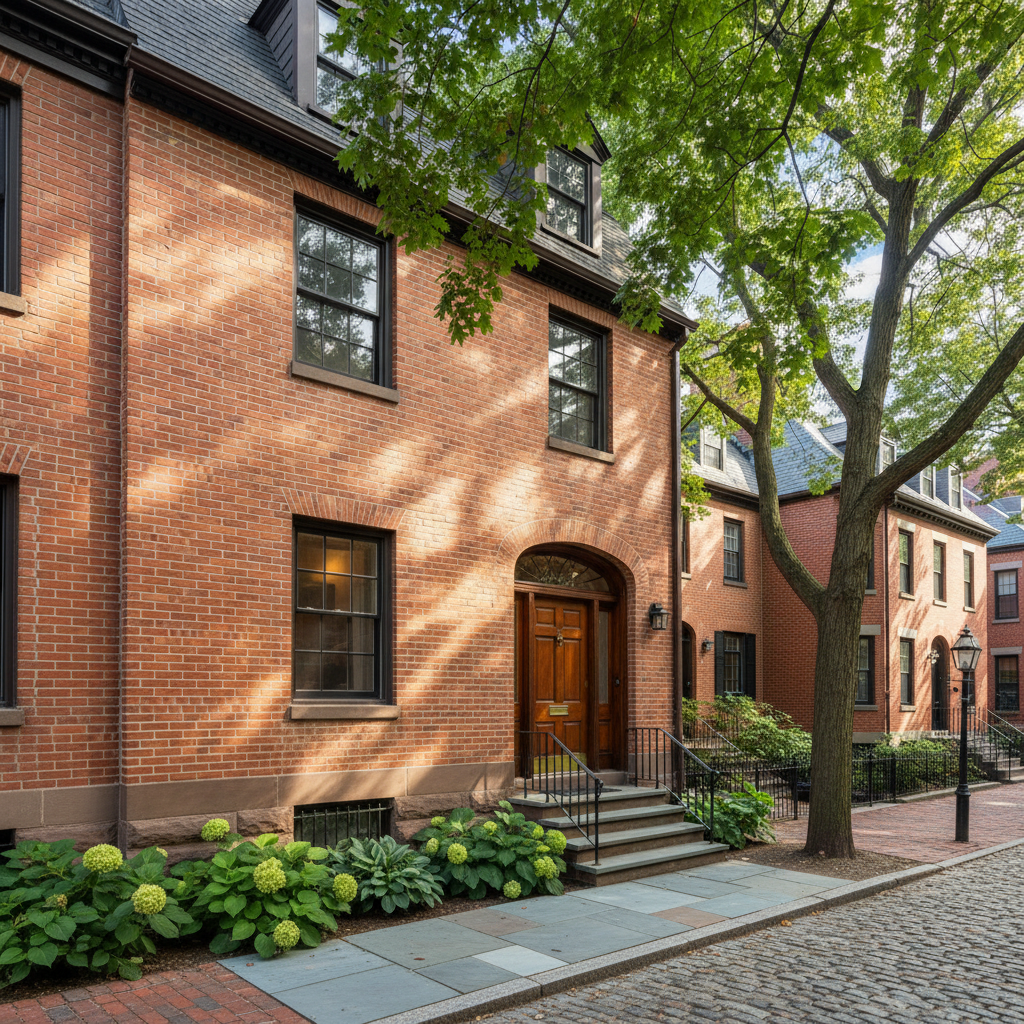
So, you've just had some masonry work done on your Boston home, maybe a new chimney, some repointing on your historic brick facade, or a rebuilt stone wall. That's a big investment, and you want it to last, right? Of course you do. The good news is, with a little attention, you can significantly extend the life of that restoration work and save yourself headaches (and money) down the road.
Extending the Life of Your Masonry Restoration
The biggest thing you can do to make your masonry last is to keep water out. Sounds simple, but it's the number one enemy of brick, mortar, and stone, especially here in Boston with our freeze-thaw cycles. When water gets into cracks, freezes, and expands, it's like a tiny wrecking ball. Here’s what I tell all my clients:
- Good Gutters and Downspouts: Make sure your gutters are clean and draining properly, directing water well away from your foundation. If water is constantly cascading down your walls, even the best repointing won't hold up forever.
- Proper Grading: Check that the ground around your house slopes away from the foundation. You don't want water pooling up against your brickwork after a heavy Nor'easter.
- Breathable Sealants (Sometimes): For some applications, particularly porous stone or brick that's constantly exposed, a breathable sealant can be a good idea. But be careful here – it HAS to be breathable. Trapping moisture inside is worse than letting it in and out. This isn't a DIY job; talk to a pro like us at Apex Masonry Solutions if you're considering it.
- Vegetation Management: Keep vines, shrubs, and trees from growing directly against your masonry. Roots can be incredibly destructive, and dense foliage traps moisture.
Regular Maintenance: What to Look For
You don't need to be a masonry expert to spot potential issues. A quick walk around your property a couple of times a year, especially after a big storm or at the end of winter, can tell you a lot. Think of it like checking your car's oil.
- Look for Cracks: Are there new cracks in the mortar joints or bricks? Small hairline cracks can be normal with settling, but anything growing or widening is a red flag.
- Check for Spalling: This is when the face of the brick or stone starts to flake off. It's usually a sign of moisture getting in and freezing.
- Efflorescence: That white, powdery substance on the surface? That's efflorescence, mineral salts left behind when water evaporates from the masonry. It's a clear sign that water is moving through your walls. While often harmless, it indicates a moisture issue that needs investigation.
- Deteriorating Mortar: Is the mortar between your bricks soft, sandy, or crumbling? Can you easily pick it out with a key? That's a sign it's past its prime and needs attention.
- Loose Bricks or Stones: Give a gentle push to any bricks or stones that look out of place. If they wiggle, that joint is compromised.
Warning Signs That Demand Attention
Some things are more urgent than others. If you see any of these, don't put off calling someone:
- Large, Diagonal Cracks: Especially if they're running through several courses of brick or across a foundation. This can indicate structural movement.
- Bulging or Leaning Walls: Your wall should be plumb and straight. Any noticeable bowing or leaning is a serious concern.
- Water Stains Indoors: If you're seeing water stains on interior walls that correspond to an exterior masonry wall, you've got a leak. Find it and fix it fast.
- Sudden, Significant Deterioration: If a section of mortar or brick seems to have failed rapidly, it's time to get an expert opinion.
When to Call a Professional
Look, I'm a big believer in DIY for some things, but masonry repair isn't usually one of them, especially here in Boston where we deal with older structures and specific historic mortar types. You should call a professional masonry contractor when:
- You're unsure about the cause of a problem: Don't guess. A misdiagnosis can lead to more damage.
- The problem is beyond a simple patch: If you're looking at more than a few square inches of repointing, or if it involves structural integrity, call us.
- You see any of those serious warning signs: Bulging walls, large cracks, significant water intrusion – these are not DIY projects.
- You need specialized materials: Matching historic mortar, for example, requires specific knowledge and materials that aren't available at your average big box store. Using the wrong mortar can actually accelerate damage to older brick.
Taking care of your masonry isn't just about aesthetics; it's about protecting your home's structure and value. A little proactive maintenance goes a long way. If you have any questions or spot something that's got you worried, don't hesitate to reach out. We're here to help Boston homeowners keep their masonry in top shape.